Latest update April 1st, 2015 6:34 PM


Terence Chang: story should have no boundaries
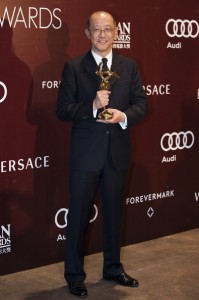
Producer Terence Chang has been working in Hong Kong, Hollywood and Beijing over the past 4 decades and produced about 40 titles in different languages. He and John Woo co-founded Lion Rock Productions and made films like FACE/OFF and MISSION IMPOSSIBLE II together. Terence Chang received the “Producer of the Decade” award at CineAsia 2011. Besides running a talent agency and supporting young directors, he is now producing FLYING TIGERS.
On meeting John Woo: I went back to Hong Kong in the late 1970s. I started working for a studio called Golden Harvest and John Woo was a contract director there. Later I found my niche in distribution and then we met again at Film Workshop and did THE KILLER in 1989. We continued to work on over 20 or 30 titles in different continents, I learned a lot from him. I think we complement each other. We went through some tough times, but he was always very encouraging to me. He was very open-minded at that time.
On working in Hollywood: John is a great craftsman but I think he needs to break out of the genre, gangster films, that he was so used to doing. So when we got an opportunity to make movies in the United States, I encouraged him to give it a try. And we made it, finally. I didn’t think much about it and just plunged in it. That’s the only way to do it. I didn’t think myself as a guy from Hong Kong. I think I am one of you guys, but maybe I have to work harder. I just did it, by sheer luck or will force? I don’t know. I went to school in the U.S. for nine years, so I was not foreign to the way of behavior in Hollywood. I loved that period in Hollywood.
On coming back to make Chinese films: Actually, I never thought of returning to Asia. I kind of cut myself off. I didn’t know what’s going on in Hong Kong. I didn’t watch any Chinese movies except for some made by director Chen Kaige, Zhang Yimou, and so forth. But at that time, I have never thought of returning to Asia to make films. I had a great run and I wanted to keep on doing things in Hollywood until one day John Woo told me that he wanted to make “Three Kingdoms” and I had to force myself to come to Beijing for the first time in my life and tried to make that happen. I liked challenge.
RED CLIFF was John Woo’s first Chinese film for about 15 years, so everybody had high expectations of the film. It was my first independent film and I raised all the money by myself. My distribution background came to play. The film was presold to almost the world before we started principal photography, but the film was really very expensive. The box office was great in Asian territories, but Europeans and Americans couldn’t follow the story because there are too many plots and characters.
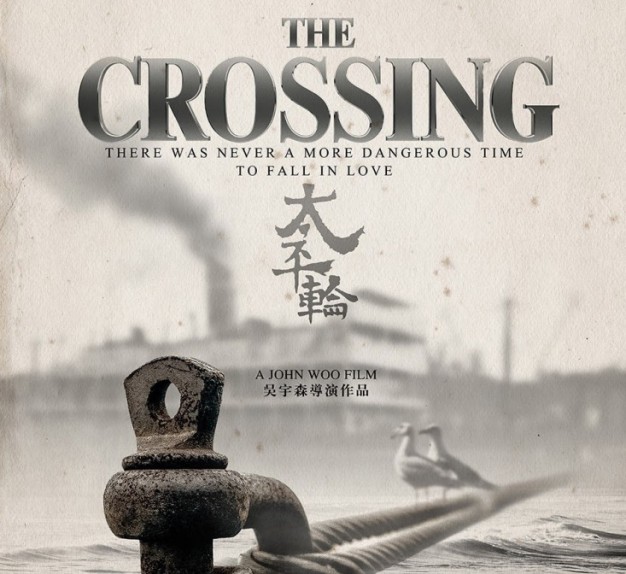
On THE CROSSING: We spent nine years working on THE CROSSING. It was not fair for people to make remarks on the film because they haven’t seen the entire film yet. The sinking of the ship takes places in the second film to draw climax, so the first film is kind of paving the way for the character. The audience may have seen nothing happen except for two wars and battles. I can understand the frustration, but I think it would feel much better when they see the entire film.
Advice for young filmmakers: Plunge into it, try to get experiences, and find out what your strongest point is, and move from that direction. But what you learn in school and what you actually do in the industry are two different things. After trying and shifting you will know what you like. As a producer you have to be responsible, with organizing skills and people skills. You have to understand every aspect of filmmaking from pre-production to post-production.
On talent: The biggest problem for nurturing actors and actresses is that once the actor became popular, his status or ego gets elevated. I like back when we were working in Hong Kong in the 1980s, we had dozens of movie stars to choose from, but the choices are now quite limited.
On the Chinese film market: Chinese audiences are getting better that they can smell the good of it. Of course there will be more Hollywood titles flooding into China: that’s why Chinese movies have to be strong. We need to make films related to the Chinese audience. I’m really hopeful about the future in China.

Related articles



More in this category